
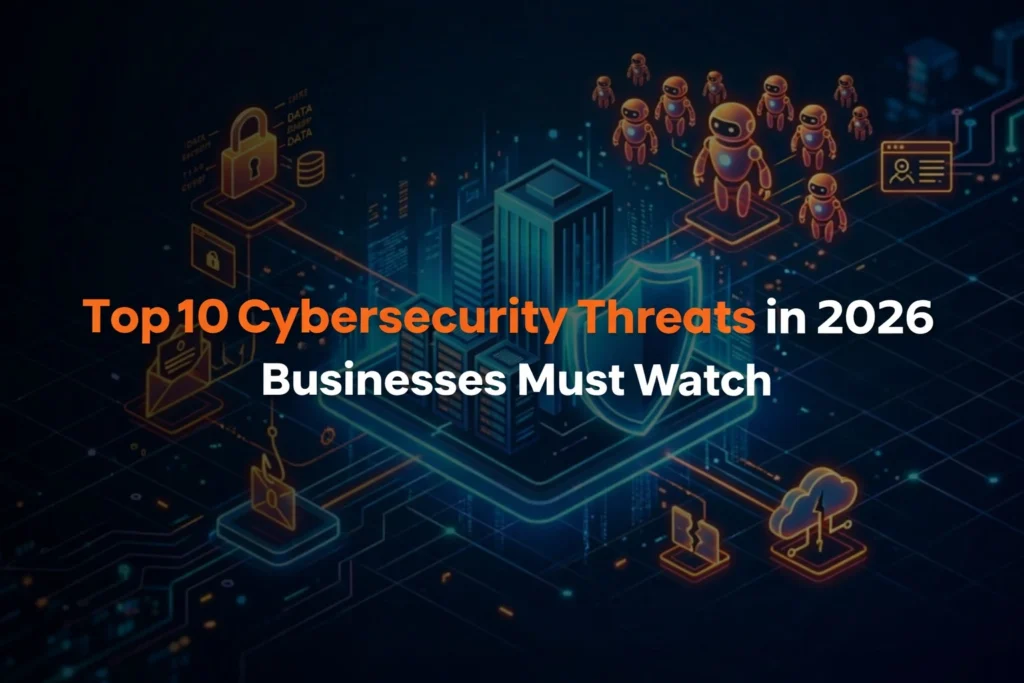
Cybersecurity threats in 2026 are becoming more advanced, faster, and harder for businesses in New Zealand to handle. Many companies are now working online, using cloud systems, and storing important data digitally. Because of this, hackers are also changing their methods and using smarter tools like artificial intelligence to break into systems.
These threats are no longer simple. Businesses now face risks like AI-powered phishing emails, deepfake scams that can copy real people, ransomware attacks that lock important files, and hidden data manipulation. These problems can cause serious damage if not handled early, which is why every business needs to stay alert and take cybersecurity more seriously than ever before.
Table of Contents
- The Changing Cybersecurity World in 2026
- Top 10 Cybersecurity Threats in 2026
- Cybersecurity Threats in 2026: Risk and Impact Overview
- Why Cybersecurity Threats in 2026 Matter for New Zealand Businesses
- How Businesses Can Stay Safe from Cybersecurity Threats in 2026
- The Role of Professional Cybersecurity Services in 2026
- Conclusion
- FAQs
The Changing Cybersecurity World in 2026
Cybersecurity is not what it used to be. In 2026, cyber attacks are faster, smarter, and much harder to stop. Hackers are now using modern tools and techniques, which means businesses have very little time to react if something goes wrong.
Here’s what is changing in today’s cybersecurity world:
- Hackers are using artificial intelligence to find weak points quickly
- Attacks now happen in seconds instead of days
- Small and medium businesses are being targeted more often
- Old security systems are no longer strong enough
- Even small mistakes like weak passwords or clicking a bad link can cause serious damage
- Cybercrime is becoming automated, allowing hackers to attack faster and at a larger scale
Because of these changes, businesses need to stay alert, update their systems regularly, and take cybersecurity more seriously than ever before.
Top 10 Cybersecurity Threats in 2026
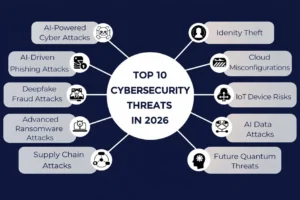
In 2026, businesses across New Zealand are facing cyber risks that are more advanced and harder to detect than ever before. Understanding these threats helps companies take the right steps to protect their systems, data, and customers.
Below are the top cybersecurity threats every business should watch closely:
AI-Powered Cyber Attacks
AI-powered cyber attacks are changing the way hackers operate. Instead of manual efforts, attackers now use artificial intelligence to scan systems, identify weak points, and launch attacks much faster than before. This makes it easier for them to target multiple businesses at the same time.
For businesses in New Zealand, this means traditional security methods may not be enough. These attacks can adapt and improve over time, making them harder to detect. Companies need smarter security tools and regular system monitoring to stay protected.
Securing AI Solutions using Cyber Security defence
AI-Driven Phishing Attacks
Phishing attacks have become more convincing with the help of AI. Hackers can now create emails and messages that look very real, often copying trusted brands or even internal communication within a company. This increases the chances of employees falling for these scams.
Once a user clicks a malicious link or shares sensitive information, hackers can quickly gain access to systems. New businesses must train employees regularly and use email security tools to reduce the risk of these advanced phishing attacks.
Deepfake Fraud Attacks
Deepfake technology allows hackers to create fake videos, voice recordings, or images that look and sound like real people. This can be used to trick employees into transferring money or sharing confidential business information.
These attacks are becoming more common and harder to identify. For businesses in New Zealand, verifying requests and using multi-step approval processes can help prevent falling victim to deepfake scams.
Advanced Ransomware Attacks
Ransomware attacks continue to grow and are becoming more damaging. Hackers lock important files or entire systems and demand payment to restore access. In many cases, even after paying, businesses may not fully recover their data.
This type of attack can stop business operations completely. New Zealand companies should focus on regular data backups, strong security systems, and quick response plans to reduce the impact of ransomware attacks.
Supply Chain Attacks
Supply chain attacks target third-party vendors or service providers instead of attacking a business directly. Hackers use these weaker entry points to access larger systems and networks.
This makes the attack difficult to detect because it comes from a trusted source. Businesses in New Zealand should carefully review their vendors’ security practices and limit access to sensitive systems.
Identity Theft
Identity theft happens when hackers steal login details such as usernames and passwords. They then use this information to access systems, steal data, or perform unauthorized actions.
This can lead to serious security breaches and financial loss. Businesses should use strong passwords, enable multi-factor authentication, and monitor account activity to reduce the risk.
Cloud Misconfigurations
Cloud services are widely used, but incorrect settings can expose sensitive data. Simple mistakes like leaving storage public or not setting proper permissions can create major security risks.
Many businesses are unaware of these issues until it is too late. Regular cloud audits and proper configuration can help New Zealand companies keep their data safe.
IoT Device Risks
IoT devices such as cameras, smart sensors, and connected systems are often not well secured. Hackers can easily exploit these devices to enter business networks.
Once inside, they can move through the system and cause damage. Businesses in New Zealand should secure all connected devices and keep their software updated.
AI Data Attacks
AI systems depend on data to function properly. Hackers can manipulate this data by feeding false or harmful information, which can affect system decisions.
This can lead to incorrect outputs and poor business decisions. As AI use grows, businesses must ensure their data sources are secure and reliable.
Future Quantum Threats
Quantum computing is still developing, but it has the potential to break current encryption methods. This means that data protected today may not be secure in the future.
Although this risk is not immediate, businesses in New Zealand should start preparing for stronger encryption methods. Staying updated with new security technologies will be important in the coming years.
Cybersecurity Threats in 2026: Risk and Impact Overview
Understanding the level of risk and potential impact of each threat helps businesses in New Zealand take smarter security decisions. The table below gives a clear and simple overview of the most important cyber threats in 2026.
| Threat Type | Risk Level | Main Impact on Business |
| AI-Powered Attacks | High | Rapid system breaches and automated attacks |
| Phishing Attacks | Very High | Data theft and stolen login credentials |
| Deepfake Fraud | High | Financial loss through fake identity scams |
| Ransomware Attacks | Very High | Data lockout and business downtime |
| Supply Chain Attacks | High | Hidden access through third-party vendors |
| Identity Theft | Very High | Unauthorized account access and data leaks |
| Cloud Misconfigurations | Medium | Exposure of sensitive cloud data |
| IoT Device Risks | Medium | Network access through insecure devices |
| AI Data Attacks | High | Manipulated data and incorrect outputs |
| Quantum Computing Threats | Future Risk | Possible failure of current encryption |
Why Cybersecurity Threats in 2026 Matter for New Zealand Businesses?
New Zealand businesses are growing quickly in the digital world, but this growth also brings new risks. As more companies move their operations online, store data in the cloud, and rely on digital tools, they become more visible and more attractive to cybercriminals.
There are several key reasons why businesses across New Zealand are at higher risk:
- Many small and medium-sized businesses (SMEs) still have weak or outdated cybersecurity systems
- More companies are shifting to online platforms and cloud-based services
- Hackers often see New Zealand businesses as easier targets compared to larger markets
- Remote and hybrid work has increased exposure to security gaps
- Even small mistakes, like clicking a suspicious link or using a weak password, can lead to serious damage
These risks can result in financial loss, data breaches, and long-term damage to a company’s reputation. That’s why businesses need to take a proactive approach to cybersecurity. Partnering with experts like the Security Solutions Hub, a cybersecurity company in NZ, can help identify vulnerabilities early and build strong protection systems to keep your business secure.
How Businesses Can Stay Safe from Cybersecurity Threats in 2026?
With cyber risks growing every year, businesses in New Zealand need to take a proactive approach to security. The good news is that many cyber attacks can be prevented by following simple but effective safety practices.
To stay protected, businesses should focus on the following key steps:
- Use strong and unique passwords for all accounts
- Provide regular cybersecurity training to employees
- Keep all systems, software, and tools updated at all times
- Use secure cloud configurations to protect sensitive data
- Continuously monitor network activity for unusual behavior
- Create and maintain regular data backups
By following these practices, businesses can reduce their risk and respond quickly if something goes wrong. For even stronger protection, working with a trusted cybersecurity partner like Security Solutions Hub can help ensure your systems are always monitored, updated, and secured against modern threats.
The Role of Professional Cybersecurity Services in 2026
In 2026, cyber threats are becoming more advanced, which means businesses can no longer rely on basic security alone. Professional cybersecurity services in NZ play a key role in keeping systems safe by constantly monitoring networks, identifying risks early, and stopping attacks before they cause serious damage.
These services typically help businesses with:
- 24/7 security monitoring to detect threats in real time
- Early risk detection to identify vulnerabilities before hackers do
- Data protection strategies to secure sensitive business information
- Fast emergency response in case of cyber incidents
- Security setup, audits, and system improvements for stronger defense
This is where Security Solutions Hub becomes especially valuable for businesses in New Zealand. It provides expert cybersecurity support, advanced protection systems, and continuous monitoring to help companies stay secure in an increasingly risky digital environment.
Conclusion
Cybersecurity threats in 2026 are increasing every year, and businesses in New Zealand can no longer ignore them. From advanced AI-powered attacks to ransomware, phishing scams, and data breaches, these risks are becoming more intelligent, targeted, and damaging than before. They can affect business operations, financial stability, and customer trust all at once.
To stay protected, companies must take proactive steps such as upgrading their security systems, training staff, and staying updated with the latest cyber risks. In today’s digital world, strong cybersecurity is not optional; it is a basic requirement for every business that wants to stay safe and grow with confidence. Contact us today to protect your business from cyber threats in 2026.
FAQs
- What are the main cybersecurity threats in 2026?
The main threats in 2026 include AI attacks, phishing emails, ransomware, deepfake scams, and cloud security issues. These attacks are becoming more advanced and harder to detect. - Why are cyber attacks increasing every year?
Cyber attacks are increasing because hackers are using smart tools like AI, and more businesses are now online. This gives hackers more chances to find weak systems. - How can businesses in New Zealand stay safe from cyber threats?
Businesses can stay safe by using strong passwords, updating systems, training staff, securing cloud data, and regularly monitoring their networks. - What is ransomware?
Ransomware is a type of cyber attack where hackers lock your data and demand money to unlock it. It can stop business operations if not handled quickly. - Do small businesses also need cybersecurity protection?
Yes, small businesses need protection even more because they often have weaker security systems, making them easy targets for hackers.
Conclusion: How Security Solutions Consulting Can Help
Whether you are building your security programme from the ground up or looking to uplift a mature function, Security Solutions Consulting provides the expertise, frameworks, and technology to get you there. Our certified practitioners serve organisations across Australia, New Zealand, Singapore, Malaysia, the Gulf, and the UK — from SMEs pursuing their first certification to ASX-listed enterprises managing complex multi-framework compliance obligations.
GRCLens — GRCLens — SSC’s proprietary compliance management platform — gives your organisation continuous visibility into your control environment, automated evidence collection, and real-time compliance dashboards across every framework you operate under.
Ready to protect and grow your business securely? Contact our team for a free, no-obligation consultation. We will assess your current position and provide a clear, prioritised roadmap tailored to your organisation.
Explore: Cybersecurity & GRC Services | ISO 27001 | Essential Eight | Maturity Assessment | GRCLens Platform | Get in Touch

