Our incident and crisis management consulting helps organisations build the capability to lead through the worst day: a crisis team that knows its role, escalation criteria agreed before they are needed, a board that receives business impact rather than technical noise, and regulator notifications that are made on time. Security Solution Consultants (SSC) designs crisis management frameworks to ISO 22361, incident command structures to ISO 22320 and incident handling to ISO/IEC 27035 and NIST SP 800-61r3, then tests them with realistic exercises, from our base in Melbourne and for clients across Australia, New Zealand, the Gulf and Africa.

Most organisations have an incident response plan for their IT and security teams, and many have a business continuity plan. Far fewer have a tested way of moving from one to the other when an incident starts to threaten the organisation itself. Three international standards describe that escalation, and each one has a different audience.
| Level | Standard | Who leads | What it needs |
|---|---|---|---|
| Incident | ISO/IEC 27035-1:2023, NIST SP 800-61r3 | Incident response team | Detection, assessment, containment, eradication, recovery and lessons learned against agreed service levels |
| Major incident | ISO 22320:2018 | Incident commander | Unity of command, an incident action plan for each operational period, resources tracked and released, a common operating picture |
| Crisis | ISO 22361:2022 | Top management and the crisis team | Strategic decisions under uncertainty, stakeholder and regulator communication, a decision log and a formal stand-down |
The gap between those levels is where most crises go wrong: escalation happens late, the crisis team receives forwarded technical updates, and nobody owns the regulator clock. Our work closes that gap. For hands-on technical response to a live cyber incident, see our incident response and recovery services.
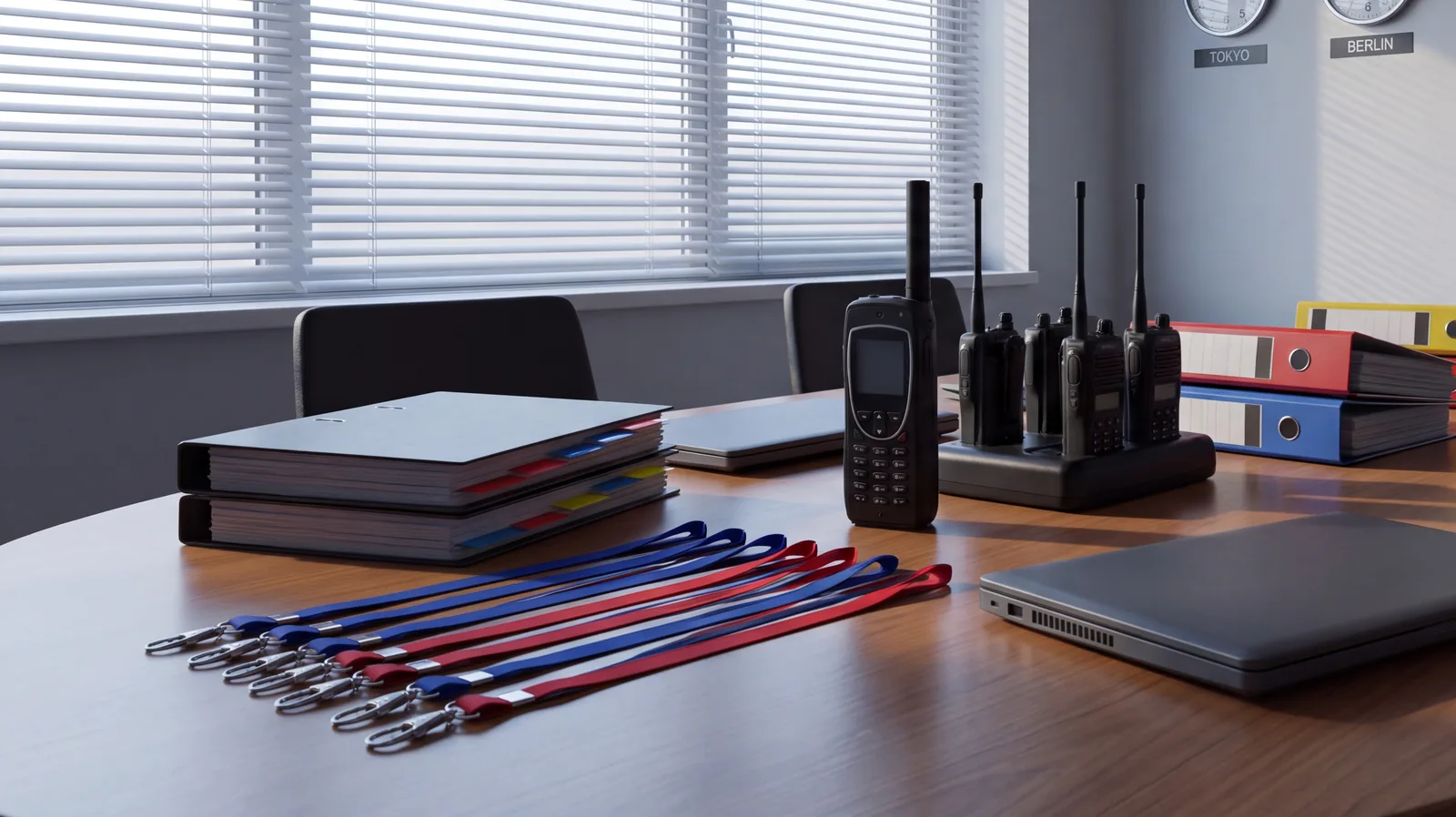
A crisis team is small, senior and deliberately separate from the people doing the technical work. We help you define it around decisions rather than job titles:
Each role gets a one-page card: what it decides, what it needs, who it informs and when it hands over.
Directors need three things in a crisis: what has happened, what it means for the business, and what they are being asked to decide. They do not need indicators of compromise or log extracts. We design the situation report and board brief so that a non-technical reader can take them in within a few minutes, with every statement traceable to a recorded fact.
Our GRCLens Incident & Crisis Management module keeps the incident, the major incident and the crisis on one record, and produces the board view, situation reports and board brief from the same data, so the plan we write together is the plan your team actually runs.
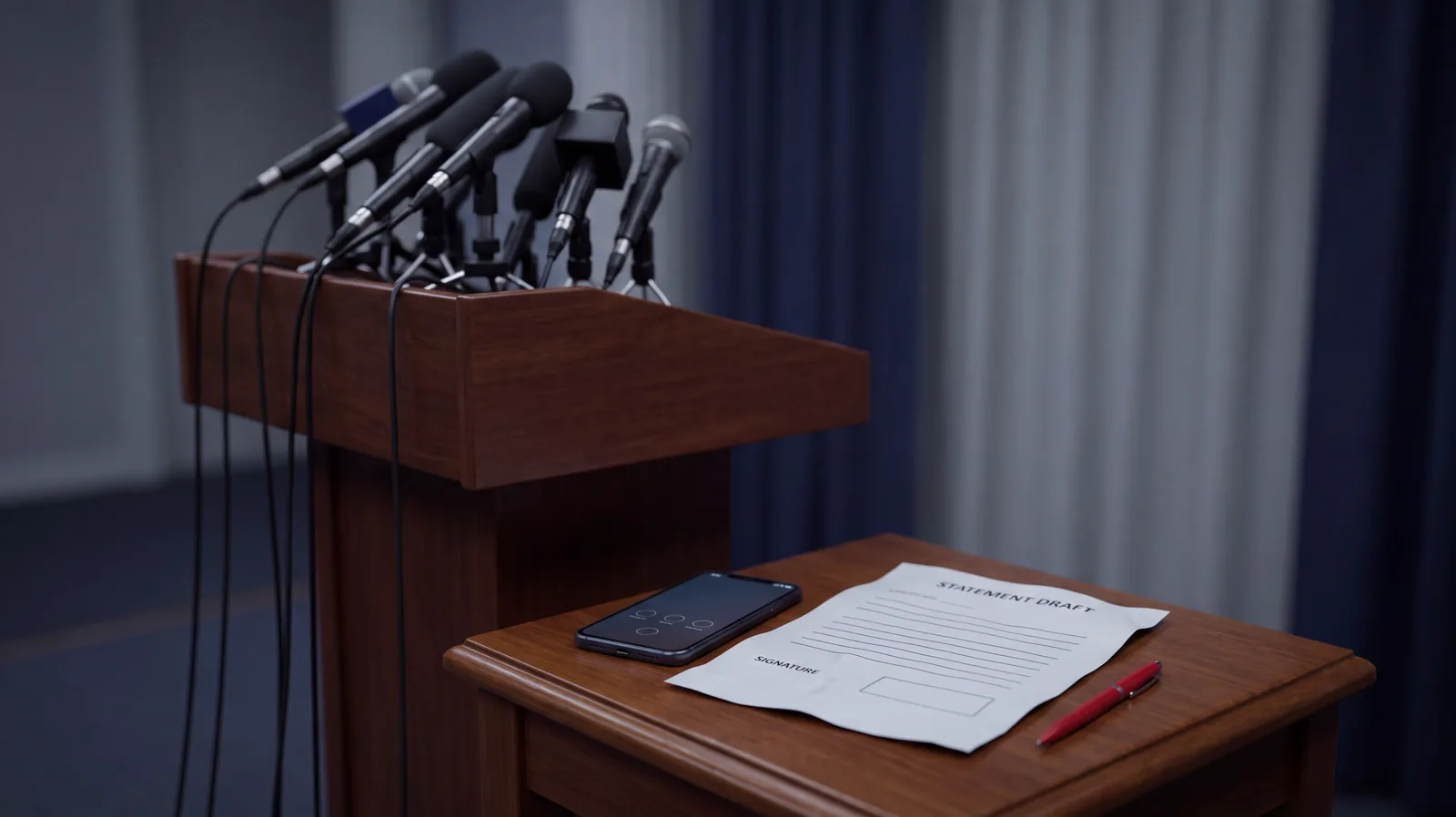
In a serious incident, the regulator clock often starts before the crisis team has met. We map every notification obligation that applies to you and build it into the playbook, with an owner and a deadline for each.
| Obligation | What it requires |
|---|---|
| SOCI Act cyber incident reporting | Report critical cyber incidents with a significant impact within 12 hours, and other incidents with a relevant impact within 72 hours |
| APRA CPS 234 | Notify APRA of a material information security incident as soon as possible and no later than 72 hours after becoming aware of it |
| Notifiable Data Breaches scheme (OAIC) | Assess a suspected eligible data breach within 30 days, and notify affected individuals and the OAIC as soon as practicable once it is confirmed |
| EU GDPR and NIS2, for organisations with EU exposure | GDPR: notify the supervisory authority within 72 hours. NIS2: early warning within 24 hours, notification within 72 hours, final report within one month |
We also prepare the relationships: who you call at the regulator, law enforcement and your insurer, what reference numbers to record, and which statements must be approved before release. See our SOCI Act compliance services and APRA CPS 230 and CPS 234 advisory for the wider obligations behind these clocks.

An exercise is only useful if it shows what would actually happen. We design scenarios around the risks your board worries about, such as ransomware in finance systems, a regulator-notifiable data breach or the outage of a critical supplier, and release timed injects to the team. Each exercise is scored against objectives agreed in advance, for example:
The after-action report lists strengths, improvements and owned actions, and becomes evidence of the exercise and validation requirements in ISO 22361. APRA’s CPS 234 also expects information security response plans to be tested annually.
Related services: incident response and recovery, business continuity management, enterprise risk management and cyber security and compliance training.