Incident and Crisis Management Consulting

Yellow circular logo with intertwined abstract shapes next to "Business Continuity Management (BCM).
EASMLens external attack surface management platform logo
NSPM network security policy management logo
PhishLens phishing simulation and awareness logo

Our incident and crisis management consulting helps organisations build the capability to lead through the worst day: a crisis team that knows its role, escalation criteria agreed before they are needed, a board that receives business impact rather than technical noise, and regulator notifications that are made on time. Security Solution Consultants (SSC) designs crisis management frameworks to ISO 22361, incident command structures to ISO 22320 and incident handling to ISO/IEC 27035 and NIST SP 800-61r3, then tests them with realistic exercises, from our base in Melbourne and for clients across Australia, New Zealand, the Gulf and Africa.

Aerial view of a coastal city at dusk where one district has lost power, with emergency vehicle light trails crossing a bridge toward it
A crisis rarely starts as one. It starts as an incident that keeps growing.

Incident, major incident or crisis?

Most organisations have an incident response plan for their IT and security teams, and many have a business continuity plan. Far fewer have a tested way of moving from one to the other when an incident starts to threaten the organisation itself. Three international standards describe that escalation, and each one has a different audience.

LevelStandardWho leadsWhat it needs
IncidentISO/IEC 27035-1:2023, NIST SP 800-61r3Incident response teamDetection, assessment, containment, eradication, recovery and lessons learned against agreed service levels
Major incidentISO 22320:2018Incident commanderUnity of command, an incident action plan for each operational period, resources tracked and released, a common operating picture
CrisisISO 22361:2022Top management and the crisis teamStrategic decisions under uncertainty, stakeholder and regulator communication, a decision log and a formal stand-down

The gap between those levels is where most crises go wrong: escalation happens late, the crisis team receives forwarded technical updates, and nobody owns the regulator clock. Our work closes that gap. For hands-on technical response to a live cyber incident, see our incident response and recovery services.
Our incident and crisis management services

  • Crisis management framework. A crisis management policy and plan aligned to ISO 22361, with clear activation and stand-down criteria, decision rights and the link to your business continuity and incident response plans.
  • Escalation criteria and triggers. Agreed in advance and written down: severity, records affected, customer outage duration, safety, media interest, concurrent incidents. Triggers suggest escalation; a named person declares it.
  • Crisis team design. Roles, alternates, contact trees and a crisis room, physical or virtual, with the tools and templates the team will need in the first hour.
  • Incident command structure. An ISO 22320 command structure for major incidents: incident commander, operations, planning, logistics and liaison roles, incident action plans and hand-over rules.
  • Board and executive briefings. A one-page board brief format built on business impact: operations, customers, finances, legal and regulatory position, people and safety, and reputation, with the decisions the board is asked to make.
  • Regulator and stakeholder communications. Notification playbooks for each regulator and agency that applies to you, holding statements by audience, and an approval step so nothing external goes out unchecked.
  • Exercises and post-incident reviews. Tabletop and simulation exercises scored against objectives, and independent post-incident and post-crisis reviews that turn lessons into owned actions.

Building the crisis team

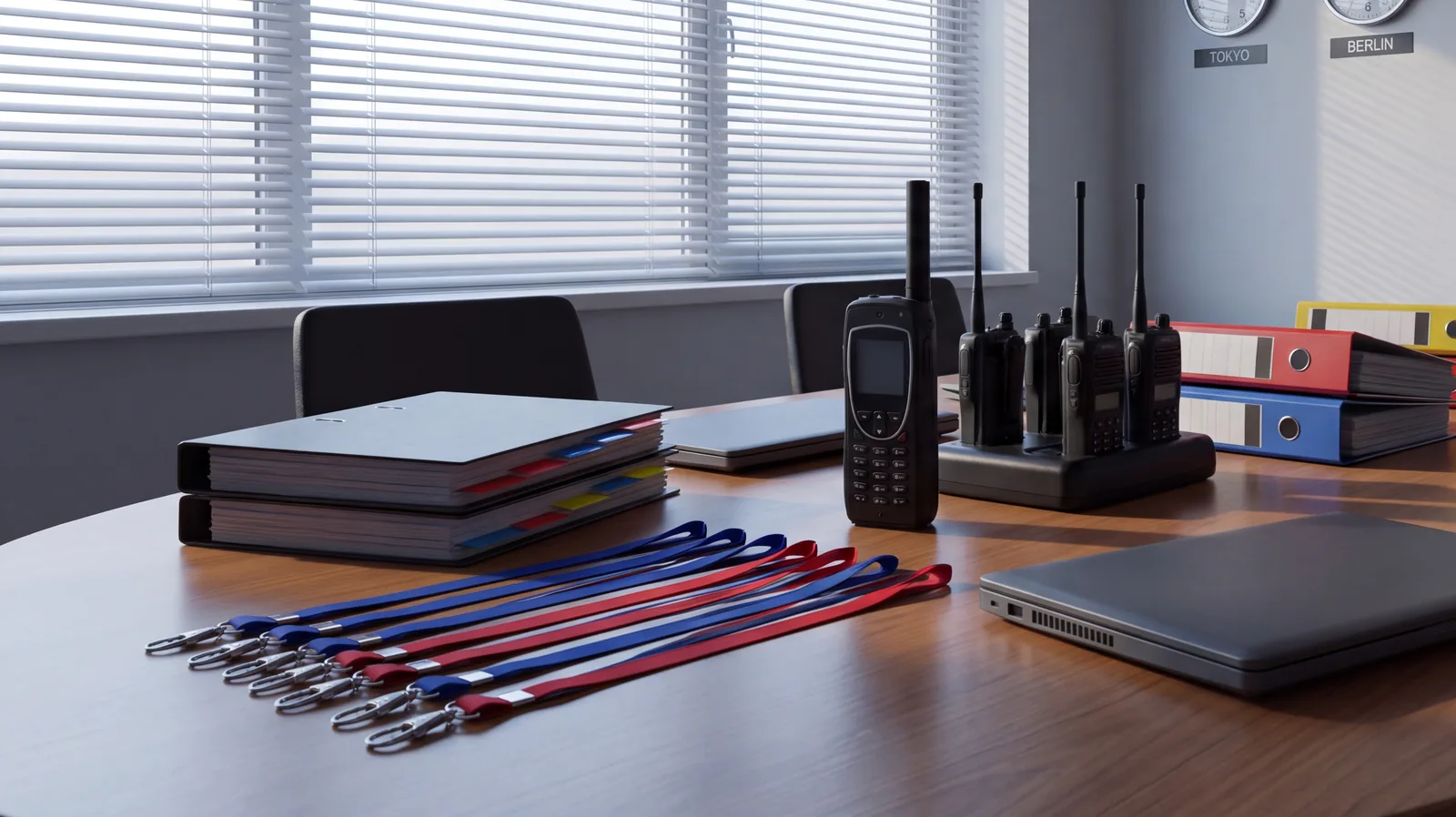
An empty crisis management room ready for use, with two-way radios and a satellite phone on charging docks, tabbed binders and lanyards on the table
A crisis team that has rehearsed knows where everything is before it is needed.

A crisis team is small, senior and deliberately separate from the people doing the technical work. We help you define it around decisions rather than job titles:

  1. A crisis leader and deputy with the authority to commit the organisation.
  2. A decision log keeper, because ISO 22361 expects decisions to be recorded with the options considered and the information available at the time.
  3. Communications, legal, people and finance leads, each with a named alternate.
  4. Liaison roles that connect the crisis team to the incident commander, the regulators and the board.

Each role gets a one-page card: what it decides, what it needs, who it informs and when it hands over.

Board reporting in plain English

Directors need three things in a crisis: what has happened, what it means for the business, and what they are being asked to decide. They do not need indicators of compromise or log extracts. We design the situation report and board brief so that a non-technical reader can take them in within a few minutes, with every statement traceable to a recorded fact.

Our GRCLens Incident & Crisis Management module keeps the incident, the major incident and the crisis on one record, and produces the board view, situation reports and board brief from the same data, so the plan we write together is the plan your team actually runs.
Regulators, government agencies and notification clocks

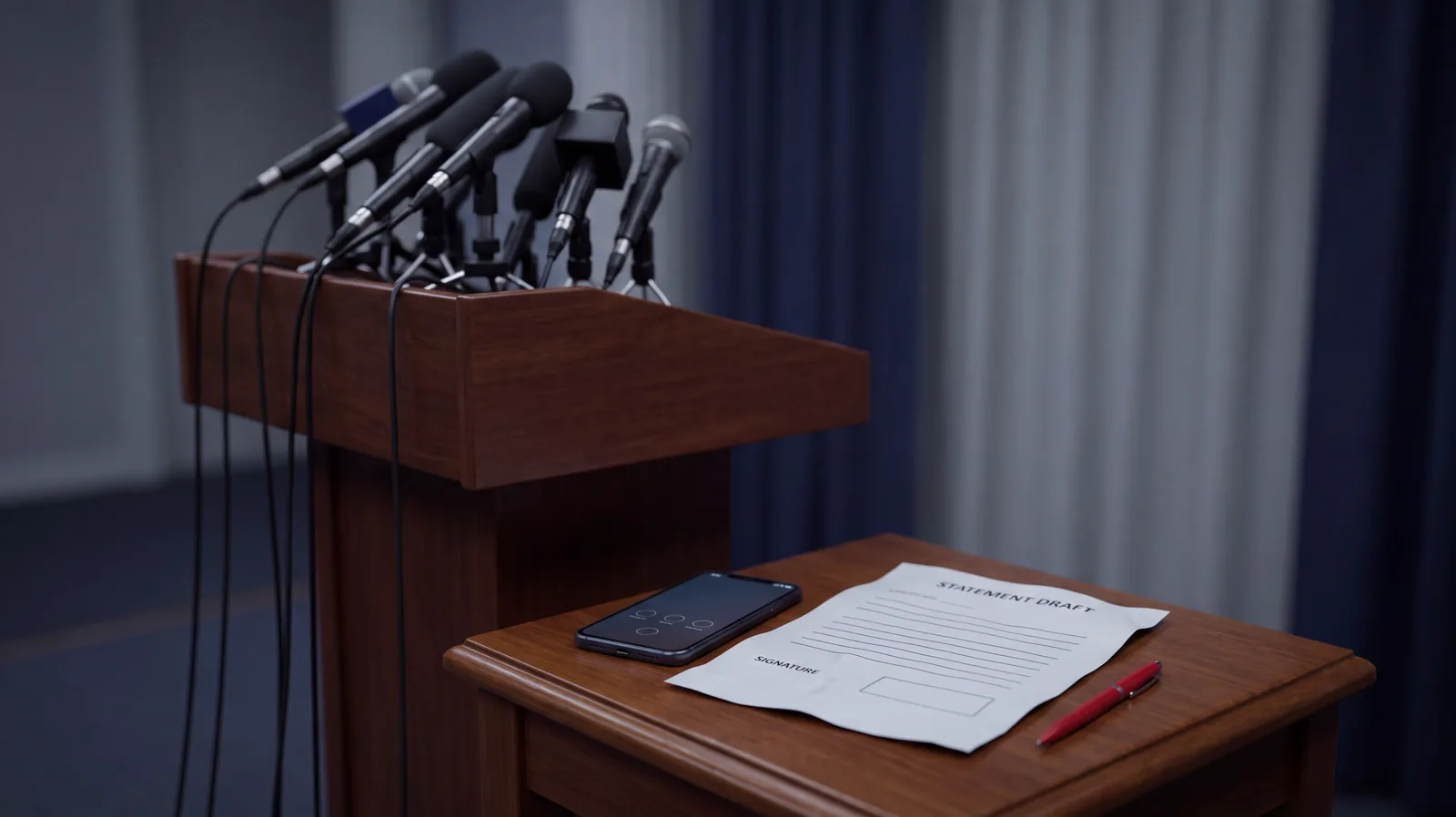
An empty press briefing podium with microphones, and a draft statement with a blank signature box beside a smartphone and a red pen
Every external statement is approved before it is released.

In a serious incident, the regulator clock often starts before the crisis team has met. We map every notification obligation that applies to you and build it into the playbook, with an owner and a deadline for each.

ObligationWhat it requires
SOCI Act cyber incident reportingReport critical cyber incidents with a significant impact within 12 hours, and other incidents with a relevant impact within 72 hours
APRA CPS 234Notify APRA of a material information security incident as soon as possible and no later than 72 hours after becoming aware of it
Notifiable Data Breaches scheme (OAIC)Assess a suspected eligible data breach within 30 days, and notify affected individuals and the OAIC as soon as practicable once it is confirmed
EU GDPR and NIS2, for organisations with EU exposureGDPR: notify the supervisory authority within 72 hours. NIS2: early warning within 24 hours, notification within 72 hours, final report within one month

We also prepare the relationships: who you call at the regulator, law enforcement and your insurer, what reference numbers to record, and which statements must be approved before release. See our SOCI Act compliance services and APRA CPS 230 and CPS 234 advisory for the wider obligations behind these clocks.
Exercises that measure, not just rehearse

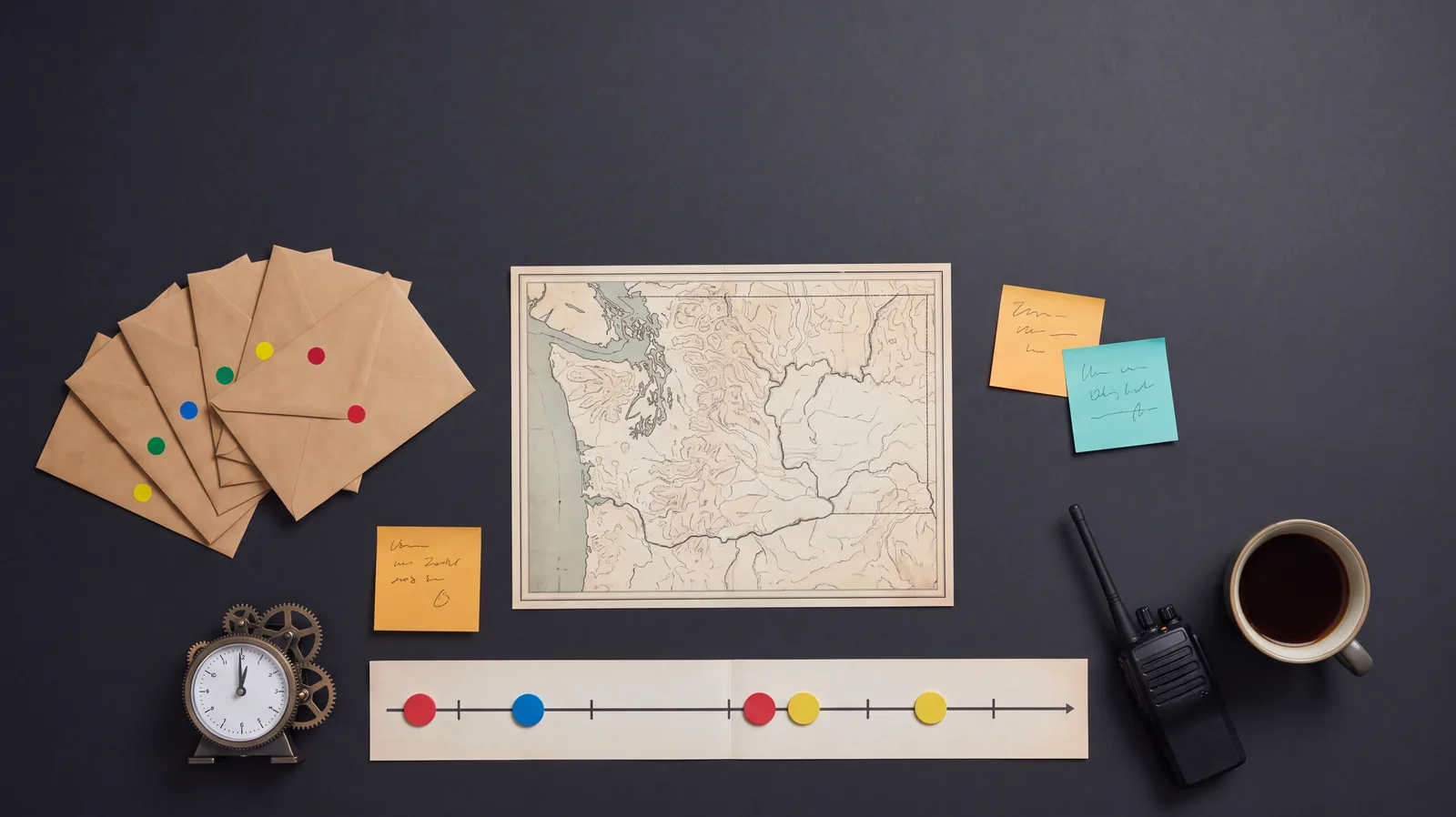
Overhead view of a crisis tabletop exercise: sealed inject envelopes, a countdown timer, a regional map and coloured tokens on a printed timeline
Exercises are scored against objectives, not against impressions.

An exercise is only useful if it shows what would actually happen. We design scenarios around the risks your board worries about, such as ransomware in finance systems, a regulator-notifiable data breach or the outage of a critical supplier, and release timed injects to the team. Each exercise is scored against objectives agreed in advance, for example:

  • Crisis declared within 30 minutes of the scenario starting.
  • First situation report issued within 90 minutes of declaration.
  • Every decision recorded with the options considered and a rationale.
  • Every external statement approved before release.
  • The regulator notified within the applicable deadline.

The after-action report lists strengths, improvements and owned actions, and becomes evidence of the exercise and validation requirements in ISO 22361. APRA’s CPS 234 also expects information security response plans to be tested annually.

How an engagement runs

  1. Discovery. Review existing incident response, business continuity and crisis plans, past incidents and regulatory obligations.
  2. Design. Escalation criteria, crisis team, incident command structure, board brief and notification playbooks.
  3. Build. Plans, role cards, templates and contact trees, configured in GRCLens if you use it.
  4. Exercise. A tabletop or simulation with your executive team, scored against agreed objectives.
  5. Improve. After-action report, action plan and a recommended exercise cycle.

Why work with SSC

  • We work across cyber security, privacy, operational and third-party incidents, so the crisis framework covers more than IT outages.
  • We know the regulators: SOCI and the CIRMP rules, APRA CPS 230 and CPS 234, the Notifiable Data Breaches scheme, and Gulf and African regimes.
  • SSC is certified to ISO/IEC 27001 and follows a Secure by Design approach.
  • Our GRCLens platform turns the plan into a working system: one record from the first alert to the board brief, with exercises that produce evidence.

Related services: incident response and recovery, business continuity management, enterprise risk management and cyber security and compliance training.


Frequently asked questions

Incident management restores normal operations after an event, usually led by a technical or operational team against service levels. Crisis management is led by top management when an event threatens the organisation's strategy, reputation or viability, and focuses on decisions, stakeholders and communication. ISO/IEC 27035 covers the first, ISO 22361 the second, and ISO 22320 the command structure between them.

ISO 22361:2022 gives guidelines for a strategic crisis management capability: leadership, a crisis management structure with roles and alternates, situational awareness, structured decision-making with a decision log, crisis communication, and training, exercising and learning. It is a guidance standard, so organisations align to it rather than certify against it.

A small senior group: a crisis leader and deputy, a decision log keeper, and leads for communications, legal, people, finance and operations, each with a named alternate. Liaison roles connect the team to the incident commander, regulators and the board.

At least once a year, and after any major change to the organisation, its systems or its crisis team. APRA's CPS 234 expects information security response plans to be tested annually, and ISO 22361 treats exercising and validation as part of the capability.

It depends on the regime. Under the SOCI Act, critical cyber incidents with a significant impact must be reported within 12 hours and other incidents with a relevant impact within 72 hours. APRA-regulated entities must notify APRA of a material information security incident no later than 72 hours after becoming aware of it, and the Notifiable Data Breaches scheme requires a suspected breach to be assessed within 30 days.

Yes. Our incident response and recovery service helps you contain and recover from a live cyber incident. This service builds the capability around it: escalation criteria, the crisis team, incident command, board reporting, regulator readiness and exercises.

Yes. We design scenarios around your organisation's real risks, facilitate the exercise with timed injects, score it against objectives agreed in advance, and deliver an after-action report with owned actions.

Yes. We are based in Melbourne and support organisations across Victoria and interstate, with workshops and exercises on site and most design work delivered remotely. We also work with clients in New Zealand, the Gulf and Africa.

Talk to us about incident and crisis management

Tell us where you are today and what you need to achieve. We will come back with a clear scope, timeline and fixed quote.